


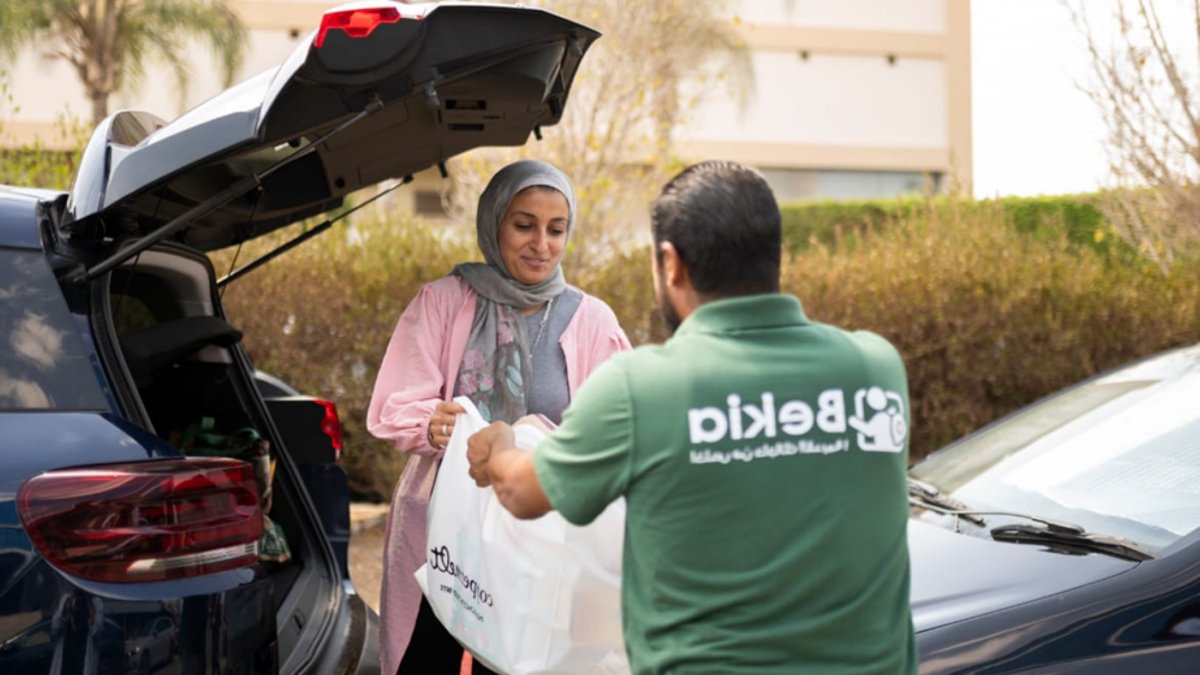
Egypt’s recycling sector handles millions of tonnes of waste each year, yet it functions almost entirely outside formal documentation. This is set to change with Bekia, a Cairo-based company that has secured $765,000 in seed funding to modernize North Africa’s informal waste management sector. The investment was led by Madica, a venture initiative affiliated with Flourish Ventures, alongside contributions from Catalyst Fund and Jambaar Capital.
Cairo produces roughly 60,000 tonnes of waste daily, with the majority ending up in unregulated landfills. The Egyptian government aims to increase recycling rates from 37% in 2024 to 60% by 2027, but the existing system lacks standardized contracts, licensing, or transaction records. Alaa Afifi, a graduate of Cairo University, established Bekia in 2017 as a consumer-facing app for household waste collection. The company has since pivoted to enterprise software, creating a network that links informal waste collectors, households, and recycling facilities.
Afifi’s central premise is that recyclable materials function as tradable commodities, yet their movement remains untracked. This gap forms the basis of Bekia Next, the company’s first B2B SaaS solution, which will launch in late October. The platform consolidates collection data to produce verified CO₂-avoidance reports, catering to corporations handling stricter Scope 3 emissions regulations across the region.
Read Also: MNT Tech secures provisional EGX listing with deadline
The company reports having diverted over 25,000 tonnes of waste from landfills, onboarded 2,400 independent collectors, and engaged 100,000 retail clients, of whom 97% are women. Since 2023, its operational capacity has expanded sevenfold, with enterprise customer retention exceeding 95%. The company generates income through corporate waste contracts, material resale margins, and a refurbished electronics line launched in June 2026.
Bekia is part of Madica’s latest cohort, which includes five startups, each eligible for up to $200,000 in funding along with an 18-month mentorship program. The program features executive coaching and founder immersion trips, and now participates in co-investments to address the gap between seed funding and subsequent funding rounds. The new capital will be allocated toward hiring engineers, expanding subscription-based services, and initiating pilot operations in a second African market.


