


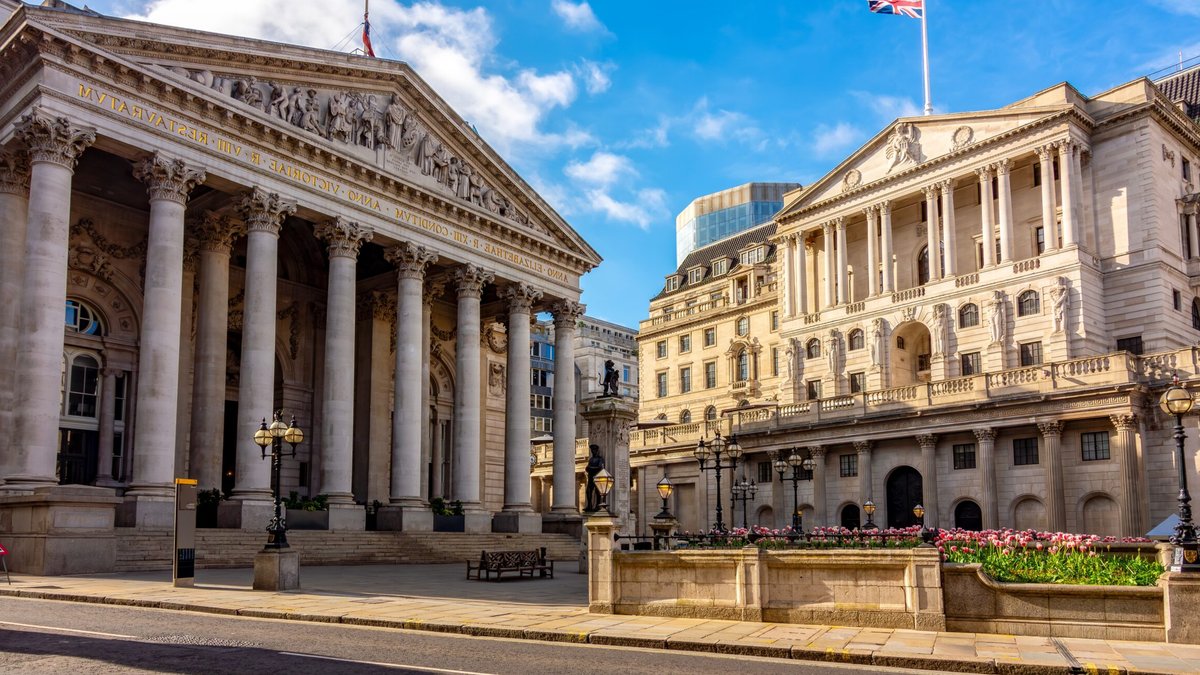
The Bank of England has raised interest rates for the first time in more than three years, delivering a fresh blow to mortgage borrowers and the UK housing market. The Monetary Policy Committee increased Bank Rate by 0.25 percentage points, from 3.75% to 4%, on Thursday. All nine members of the MPC backed the decision, with eight voting for the 0.25-point rise and one wanting a larger increase to 4.25%.
Inflation and the Middle East
The decision comes as policymakers attempt to contain inflation driven by rising oil and energy prices. The Consumer Prices Index (CPI) rose to 3.5% in September, its highest level in 11 months and well above the Bank’s 2% target. The conflict between the US and Iran has driven up global oil prices, adding to inflationary pressures. Household energy bills are also under pressure following Ofgem’s 3.6% increase in the energy price cap on 1 October.
Bank of England governor Andrew Bailey said higher energy prices justified the move but stressed it did not necessarily signal the start of a prolonged cycle of hikes. “Unless the conflict in the Middle East is resolved, neither does it seem likely to be the last increase,” he said, adding that future decisions will depend on developments in the region.
Impact on Mortgages and the Market
The increase will immediately affect homeowners with tracker mortgages linked to Bank Rate. Borrowers on some other variable-rate deals could also face higher monthly repayments. Those on fixed-rate mortgages will avoid an immediate increase, but buyers and homeowners approaching a new deal face continued uncertainty. Lenders have likely priced the widely anticipated increase into fixed mortgage deals, but the prospect of further rises could keep mortgage pricing under pressure.
The housing market is already struggling to maintain momentum. HMRC figures show residential property transactions fell 1% in September to 94,800, down 4% compared with a year earlier. Zoopla has reported a 15% reduction in purchasing power among mortgage-dependent buyers. Savills has downgraded its forecasts, predicting UK house prices will fall by 1.5% in 2027 and that a sustained recovery will be delayed until the second half of 2028.
For estate agents, the concern is that higher borrowing costs will force more buyers to reduce their budgets, renegotiate offers or postpone moving. The prospect of further interest rate increases could also put pressure on sellers to adjust asking prices. Nathan Emerson, CEO at Propertymark, said the Bank must carefully balance the need to control inflation against the wider impact on households.
Amy Reynolds, head of sales at Antony Roberts, noted that the rate rise has been largely priced in. Fixed-rate mortgages have been heading towards 6 per cent for weeks, and mortgage approvals have dropped to their lowest level in almost three years. “The real damage is psychological,” she said. “Another rate rise tells people that borrowing is getting more expensive, not cheaper, and that makes them hesitate.”
Related Post: Property pros urged to use software more effectively
Jeremy Leaf, a north London estate agent, warned the impact on an already flat housing market will not be positive. However, he noted a recent price war has prompted some larger lenders to reduce mortgage rates. Andrew Lloyd of Search Acumen highlighted the financial strain on households. Around 1.8 million fixed-rate mortgages are due to expire in 2026, with a further 2.3 million facing refinancing in 2027. A borrower who once paid £781 monthly is now facing £1,188, adding almost £5,000 a year to household costs.
The Bank now faces the challenge of containing inflation without inflicting further damage on an already subdued economy and housing market. Much will depend on developments in the Middle East and whether inflationary pressures ease sufficiently to prevent further increases.
Future Outlook and Market Sentiment
Prospective buyers face a challenging environment. The Bank’s decision adds to financial strain on households. Many will need to reassess their budgets and property aspirations. Some may postpone moving plans entirely. The market psychology has shifted significantly.
Expert Reactions and Market Adaptation
Financial experts highlight the impact on refinancing households. Millions of fixed-rate deals will expire soon. Borrowers face substantially higher monthly payments. This represents a major financial shock for many families. The ripple effects are expected to be widespread.
Market Forecast and Agent Concerns
A further substantial rise has been forecast for January, raising concerns that inflation could remain raised for longer. Zoopla expects 100,000 fewer housing transactions in 2026 than last year.
Nicky Stevenson, managing director of Fine & Country, said the decision will be disappointing for buyers hoping for relief. Iain McKenzie of The Guild of Property Professionals noted the market has continued to function despite higher mortgage rates. He expects an even greater emphasis on value, with sellers who price ambitiously waiting longer to secure a sale.


