


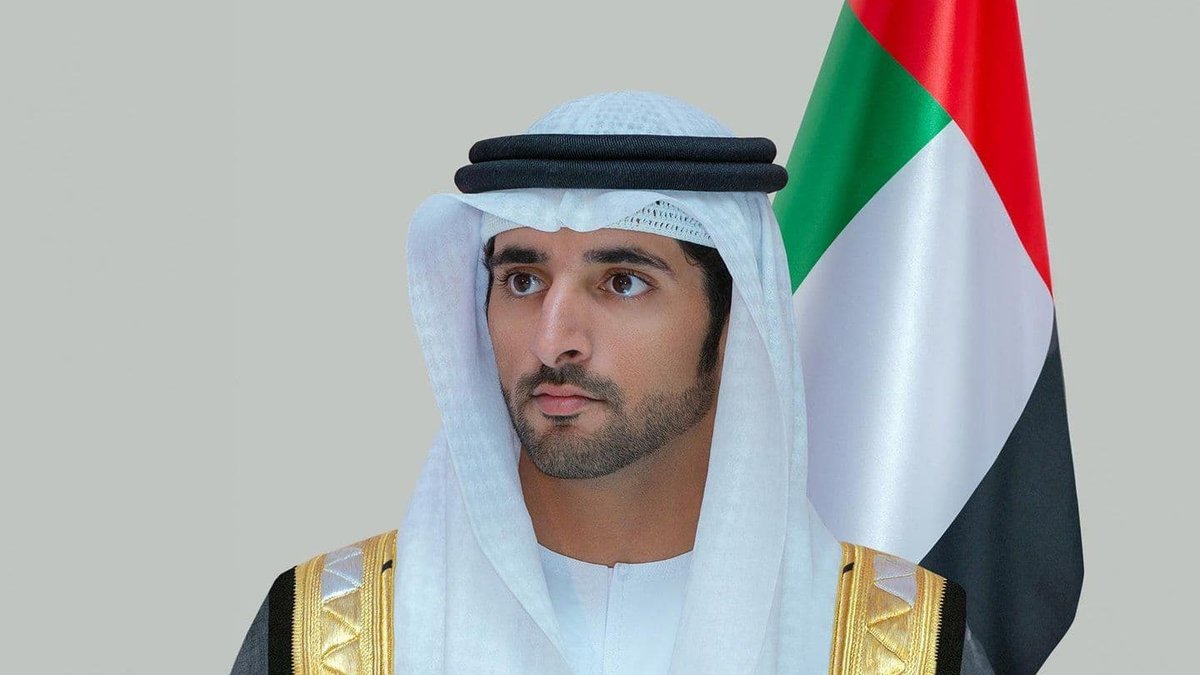
Dubai’s Executive Council has approved a $545 million Urban Centres Development Plan aimed at improving infrastructure and boosting property values across the emirate. The decision was made on October 27 during a session at Emirates Towers, chaired by Sheikh Hamdan bin Mohammed bin Rashid Al Maktoum, the Crown Prince of Dubai and Chairman of the council. The plan targets six main urban centres and 42 sub-centres, covering 12% of Dubai’s urban area, with the goal of increasing real estate values in these zones by $5.45 billion by 2040.
The initiative aligns with the vision of Sheikh Mohammed bin Rashid Al Maktoum, Ruler of Dubai, to balance economic growth with population needs. Sheikh Hamdan emphasized that the plan seeks to enhance infrastructure, improve service efficiency, and support integrated communities that prioritize residents’ wellbeing. The programme is structured around three pillars: quality of life, economic returns, and infrastructure efficiency.
It will cluster residential and employment hubs around metro stations, mix land uses, and position housing closer to workplaces to reduce commute times and improve accessibility. According to the council, the plan will increase the percentage of residents living within walking distance of metro stations from 52% to 74%, while expanding public service coverage from 74% to 85%. These changes aim to make urban centres more interconnected and accessible.
Sheikh Hamdan stated that the investment will transform targeted areas, saying: “To sustain this model, we are investing in urban centres to develop integrated communities that meet people’s aspirations and support sustainable growth. The project follows a $4.9 billion package of infrastructure and urban planning initiatives approved in July, which included population monitoring strategies. Alongside the urban centres plan, they adopted the Sustainable Population Planning Policy, a framework linking demographic trends with economic and urban development.
Read Also: Abu Dhabi plans $237m bridge link to islands
The policy uses population forecasts to guide infrastructure planning, ensuring services meet future needs while maximizing efficiency. It also supports job creation in high-productivity sectors, aligning with Dubai’s D33 economic agenda. He highlighted that the policy will attract talent, lift income levels, and strengthen Dubai’s economic competitiveness by aligning growth with residents’ aspirations.
The council also approved a Digital Authorisation System designed to streamline government services. Developed by Digital Dubai, the platform allows individuals and companies to authorize third-party transactions for low-risk services without notarization. Sheikh Hamdan noted that Dubai ranks second globally in the 2026 Smart City Index and aims to set a benchmark for digital government services. The system, built on the UAE PASS digital identity, targets 100% digital accessibility, 100% fraud prevention effectiveness, and a Customer Effort Index score of 90%. These measures aim to reduce service steps and enable proactive service delivery.
The Digital Authorisation System operates through a real-time, paperless mechanism, integrating with existing digital platforms to offer a unified experience. Users can manage authorizations via secure verification, ensuring compliance with low-risk transaction protocols. The initiative reflects Dubai’s broader push toward digital transformation, reinforcing its position as a global leader in smart city development. The three approvals—urban centres, population policy, and digital system—collectively reflect a strategic focus on sustainable growth, technological innovation, and enhanced quality of life for residents and investors alike.


