


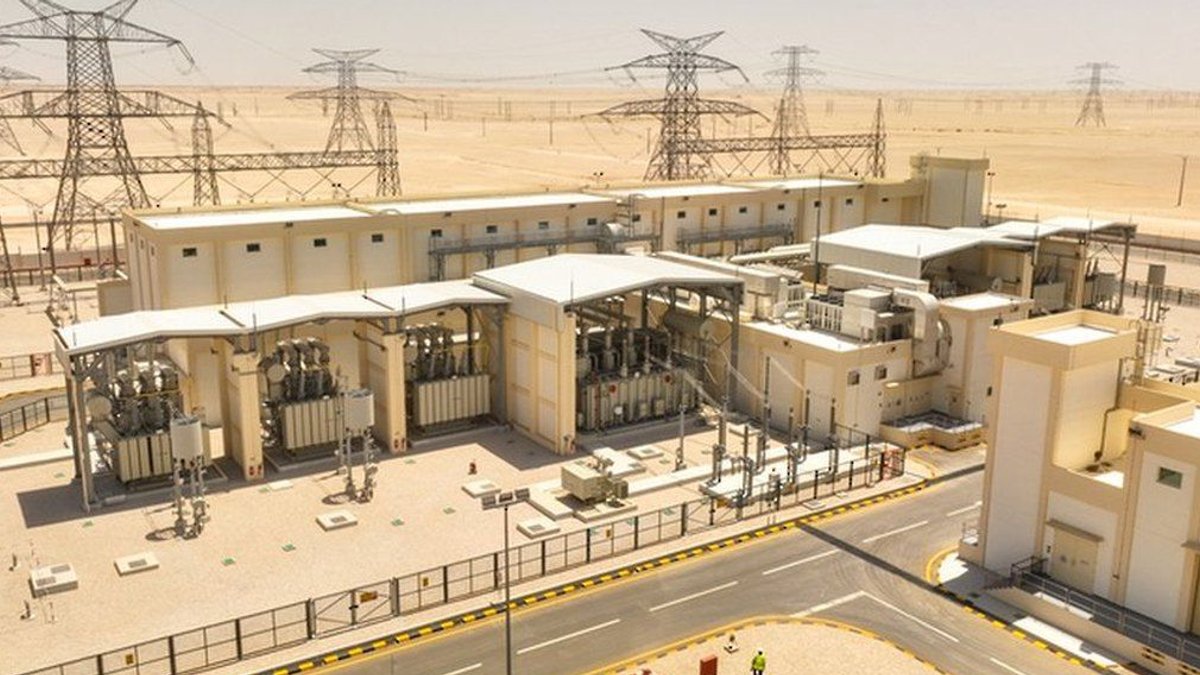
Over the next four years, Nama Electricity Distribution has announced plans to allocate over $1.6 billion toward upgrading Oman’s electricity infrastructure, covering the period from 2026 through 2029. This initiative focuses on modernizing distribution networks, reinforcing existing systems, and transitioning to an intelligent, data-driven grid framework.
The financial commitment seeks to enhance network dependability, streamline operational processes, and ensure infrastructure remains capable of accommodating rising electricity consumption. Additionally, the company will expand its adoption of digital platforms, artificial intelligence solutions, and sophisticated data analysis tools.
Modernizing Infrastructure and Digital Advancements
The company emphasizes that its upcoming phase extends beyond basic digital integration. Instead, Nama aims to maximize the utility of collected data, applying insights to raise service quality, optimize network operations, and deliver improved experiences for customers.
Khalfan Nasser Al Bartamani, Nama’s Chief Commercial Officer, highlighted that the company is integrating five key technological components: smart metering systems, Geographic Information Systems, Supervisory Control and Data Acquisition platforms, Advanced Distribution Management Systems, and network monitoring and control technologies.
By synchronizing these systems, Nama expects to achieve continuous real-time network oversight, enabling faster fault detection, quicker emergency responses, and accelerated power restoration during disruptions.
Leveraging Data Analytics for Proactive Maintenance
Nama is also broadening its application of big data analytics, machine learning, and artificial intelligence to develop tools that continuously assess the condition and operational performance of its infrastructure assets. These innovations are designed to facilitate predictive maintenance, identifying potential failures in advance and directing maintenance efforts with greater precision.
Al Bartamani noted that customers would also see advantages, including faster resolution of service requests, more effective outage management, and enhanced coordination among operational teams.
Read Also: BinGhatti transforms Dubai real estate scene
Currently operational is an outage management system that connects Nama’s customer service center with field response teams. The platform utilizes real-time monitoring, operational datasets, and Geographic Information Systems to pinpoint service interruptions and accelerate recovery efforts when power is disrupted.
Expanding Infrastructure and Renewable Energy Integration
While advancing digital capabilities, Nama will continue constructing new substations and expanding distribution lines, enhance asset management practices, and support the integration of renewable energy sources. The modernization effort also prioritizes supporting local industrial contributions and developing national technical expertise.
The company manages and maintains a distribution network exceeding 105,000 kilometers across all governorates except Dhofar, serving roughly 1.4 million subscribers and ensuring 100% coverage of inhabited areas within its operational region.
Through October 2025, Nama’s capital expenditures totaled approximately $312 million. Of this amount, $159 million was directed toward 11-kilovolt network enhancements, while an additional $49 million supported 33-kilovolt infrastructure projects.
The 2026-2029 strategy builds upon these investments, further increasing network capacity and resilience to align with economic expansion and growing energy demands.
The initiative aligns with Oman Vision 2040, particularly its objectives for infrastructure development, digital modernization, operational efficiency, and economic diversification.
By pairing infrastructure investment with smart-grid technology, renewable energy integration and development of the national workforce, Nama said it aims to build a more flexible, reliable and efficient distribution system that can meet Oman’s future energy needs and improve services for its 1.4 million subscribers.


