


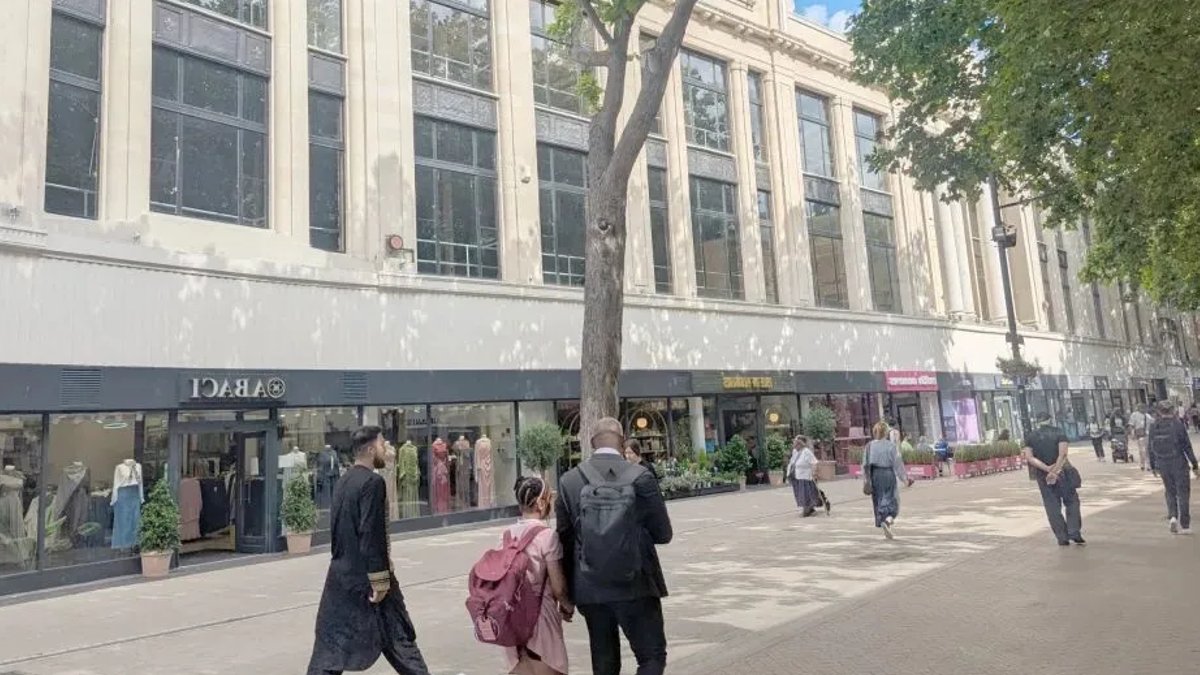
Town center property owners face two persistent issues: outdated infrastructure and challenging conditions for major overhauls. While high streets need updates, the economics don’t favor large-scale developments, and coordination among many landlords is difficult.
Market Shifts
Hannah McNamara, co-founder of P-Three, describes the situation as complex. “Towns and cities struggle between their original purpose and current market demands,” she says. The gap between needs and reality continues to widen, with the UK 10-15 years away from significant high street transformation.
Related: Small boxes gain popularity in retail sector
Richard Williams, CEO of Ringley Group, points to a fundamental obstacle. “A shopping center has one owner, unlike town centers split among many landlords,” he says, making coordinated action difficult.
Finding Solutions
Jasmine Ceccarelli-Drewry, director at Avison Young, suggests incremental, partnership-based approaches. She believes property owners should take control rather than waiting for external intervention. “It’s about finding innovative methods and long-term stewardship,” she says.
McNamara agrees that short-term steps matter, but insists they must align with a larger vision. “Micro-steps should be towards a final asset in 10-15 years,” she says. Simple measures like tidying public spaces, adding signage, and planting flowers can gather data before larger investments.
Related: The Tradition of Proposing in England.
In retail, testing ideas on a small scale before scaling up tends to reduce waste and build community support.
Ground-Level Initiatives
Some landlords have started using vacant units temporarily. In Croydon, a shopping center owner opened Allders Parade, filling a previously empty department store’s ground floor with new retail units while longer-term renovation plans progress.
Related: Architect Tarek Merlin Calls for Diversity in Design
Williams suggests collaborating with local universities and charities. “If an art college runs a show in your shopfronts, everyone wins,” he says. Short-term leases can prevent shopfronts from deteriorating and attracting more serious problems over time.
Local Success Stories
A Centre for Cities report found shop vacancy rates over twice as high in some cities compared to others. Some towns, however, have found success by building around existing strengths. McNamara points to Hemel Hempstead’s thriving theatre scene, while Williams highlights Cirencester’s popular circus markets.


